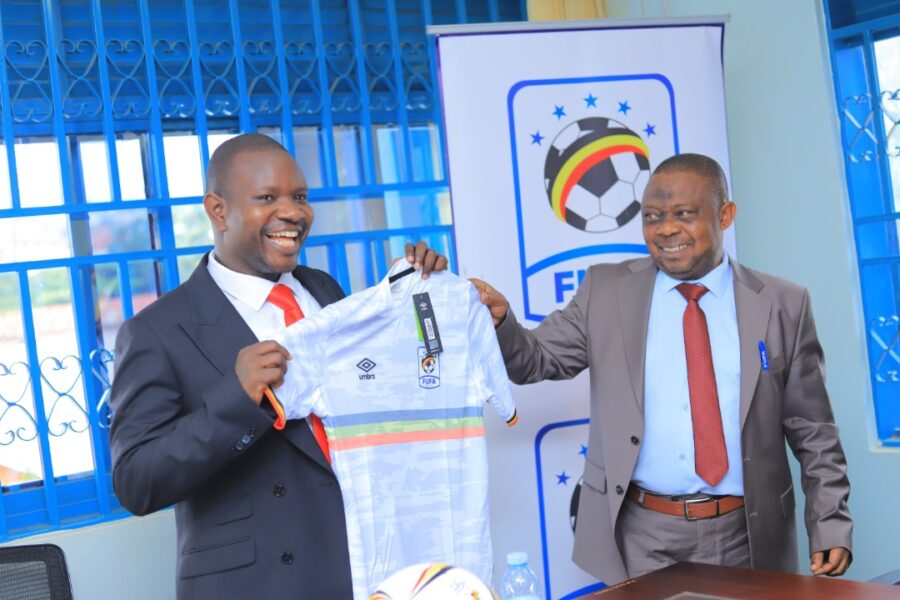
Ugandan football has once again entered a heated debate after Hon. Kayemba Solo, a prominent Member of Parliament and passionate sports advocate, called upon the Federation of Uganda Football Associations (FUFA) to reconsider the newly introduced league reforms. His remarks have reignited discussions about the future of the Uganda Premier League (UPL) and its lower divisions, sparking both praise and criticism from football fans, club managers, and stakeholders.
Kayemba’s call came shortly after FUFA unveiled a series of adjustments aimed at restructuring the national football pyramid a move intended to streamline competition, improve club licensing, and enhance the professional standards of the game. But according to the legislator, the implementation approach and timing of the reforms could have far-reaching negative impacts on clubs, players, and fans.
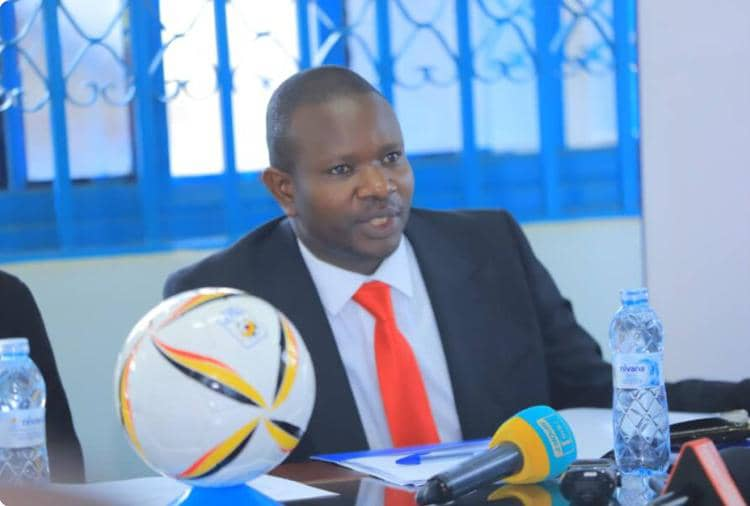
“Football reforms must serve the players and the fans, not frustrate them. FUFA should go back to the table and listen,” Kayemba urged during a press briefing in Kampala.
The recent league reforms proposed by FUFA include the reduction of teams in the top flight, adjustments to promotion and relegation systems, and a tighter set of requirements for club registration and stadium standards.
While these policies align with international best practices, several clubs — particularly from the FUFA Big League — have expressed concerns about their sustainability.
For many community-based teams, maintaining professional-level facilities, staffing, and finances is a daunting task. Kayemba Solo argues that such structural changes must be gradual, inclusive, and considerate of Uganda’s football realities.
“We cannot copy European models without first strengthening our domestic foundation,” he added.
His remarks resonate with grassroots fans who fear that some of their beloved local clubs could disappear due to financial strain, licensing penalties, or failure to meet the new standards.
Stay updated with local league fixtures, reform debates, and match statistics at Betsure Football.
FUFA’s justification for the reforms centers around professionalization and competitiveness. The federation insists that smaller leagues and poorly equipped clubs dilute the quality of football, reducing Uganda’s chances of competing effectively at regional and continental levels.
FUFA’s communications department stated that the new format will increase accountability, attract corporate sponsorship, and ensure better player welfare through structured contracts and standard wages.
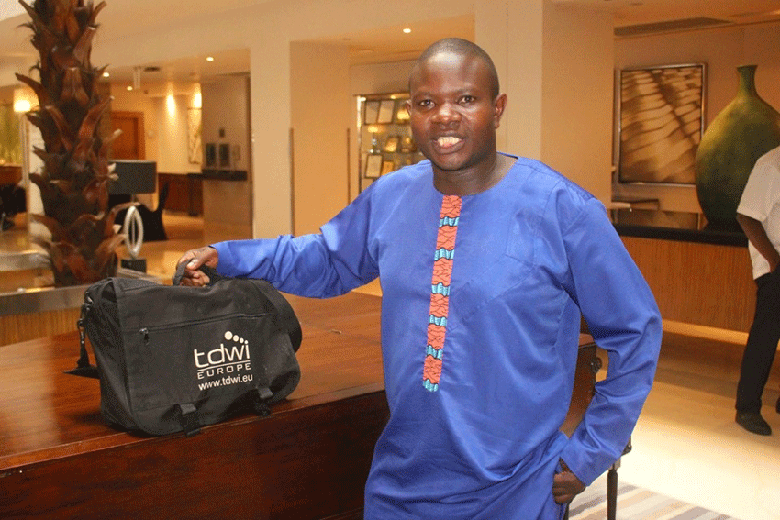
However, Kayemba believes these goals can still be achieved without alienating local teams. He proposes a consultative review process, involving all stakeholders, from players’ associations to regional football administrators.
“Football should unite us, not divide us. Let’s fix the system together rather than impose it from above,” he said.
Many analysts agree that Uganda’s football development requires reform but differ on the execution strategy.
Sports journalist Baker Kiyemba notes that while FUFA’s intentions are valid, the federation must communicate better and align its policies with economic realities.
“You can’t demand European-level professionalism from clubs that still rely on gate collections and small sponsorships,” he observed.
Football analysts also warn that if clubs are excluded abruptly, the league could lose competitiveness and fan interest. Attendance figures and broadcast deals depend heavily on community engagement — something Uganda’s football ecosystem thrives on.
“The fans are the backbone of football. Every reform must first consider their emotional and financial connection to the clubs,” said one club owner.
Follow all Uganda Premier League news, fixtures, and predictions on Betsure Sports Volleyball.
Kayemba Solo, who has long been a voice for sports funding and reform in Parliament, is not new to controversy. He has previously pushed for increased government investment in sports infrastructure, particularly in rural areas where many promising players come from.
His leadership in defending the interests of athletes has earned him respect across both football and athletics communities. The current FUFA debate gives him another platform to champion inclusivity in sports governance.
“We need a football system that creates opportunity, not fear. Every child, whether from Masaka or Gulu, should dream of playing in a stable, fair league,” Kayemba emphasized.
As the conversation grows, several club officials have privately supported Kayemba’s stance, though many hesitate to speak publicly for fear of sanctions. A few club executives argue that while reforms are necessary, implementation deadlines are unrealistic, especially for semi-professional teams.
Some have even suggested a phased rollout where clubs are given three to five years to meet the new licensing standards. This would allow teams time to develop infrastructure, secure partnerships, and comply without sacrificing competition.
“Transformation is good, but evolution works better than revolution,” noted a club administrator from the Big League.
Players too have joined the discussion, expressing mixed feelings. While top-tier athletes welcome reforms that promise better contracts and insurance coverage, many lower-division players fear losing their livelihoods if their clubs fail to qualify under the new structure.
“If smaller teams collapse, many of us will be jobless. FUFA should find a middle ground,” said a midfielder from a regional side in central Uganda.
Such sentiments highlight the delicate balance FUFA must maintain pushing for modernization without crushing the grassroots football spirit that defines Ugandan sports.
The debate has also reached online forums and social media platforms, where fans are sharing their opinions through hashtags like #ReformFootballUG and #ListenToKayemba.
Some fans support FUFA’s efforts, citing the need for professionalism, while others argue that the federation’s decisions often lack transparency.
This national conversation shows that football is not just a sport in Uganda it’s a cultural and emotional institution, capable of stirring unity or disagreement across all levels of society.
“Football belongs to the people. Let’s protect its heart while we shape its future,” one fan wrote on X (formerly Twitter).
Keep following trending topics and football news updates via Betsure.
Beyond the debate, Kayemba’s message underscores a broader issue the need for participatory sports governance in Uganda. He argues that for reforms to succeed, FUFA must open dialogue with Parliament, club owners, coaches, and fans.
Transparency in decision-making could restore public trust and build consensus, especially at a time when Ugandan football is recovering from years of inconsistent management and limited funding.
He has pledged to table a motion in Parliament urging FUFA to suspend certain reform clauses until broader consultations are held. The proposal includes forming a national Football Reform Taskforce composed of experts from within and outside the federation.
If adopted, this initiative could mark a historic turning point shifting football reform from boardroom politics to inclusive national planning.
Meanwhile, fans continue to enjoy action in both the Uganda Premier League and the FUFA Big League, despite uncertainties over what next season might look like. Clubs like Vipers SC, KCCA FC, and URA FC remain competitive, while smaller clubs fight to stay afloat amid the reform tension.
The excitement on the field contrasts with the debate off it proving that Ugandan football’s passion remains unshaken, even amid controversy.
Fans can check live match stats, league tables, and betting odds on Betsure Games.
As the dust settles, one truth stands out: Uganda’s football transformation must be driven by dialogue, not division.
Kayemba Solo’s voice represents not defiance, but advocacy for inclusiveness, reminding everyone that football development is only successful when every stakeholder from player to policymaker feels represented.
Reforms may be necessary, but so is compassion. The future of Ugandan football depends on building a system that honors both progress and people.
“Let’s make football a home for every dreamer, not a fortress for the privileged,” Kayemba concluded.
Ugandan football has faced many crossroads before, but this moment feels pivotal. Whether FUFA listens or not, the ongoing debate has awakened a new consciousness among fans one that demands transparency, accountability, and fairness in the game they love.
As reforms take shape, all eyes remain on how FUFA will respond and whether the federation can prove that progress doesn’t mean exclusion, but evolution for everyone who believes in the power of football.
Follow all national football updates, reform news, and live match predictions at Betsure Football.