As the Association of Uganda University Sports (AUUS) prepares for its much-anticipated elective assembly, the atmosphere across institutions is filled with both excitement and uncertainty. University sports in Uganda have grown significantly in the past decade, not only producing elite athletes but also creating avenues for leadership, community building, and national representation. However, with this year’s assembly around the corner, a cloud of anxiety hangs as stakeholders await the outcomes that could shape the future of the association.
The Build-Up to the Elective Assembly
University sports associations globally are more than just platforms for games; they are incubators of talent and governance. In Uganda, AUUS has been central to organizing inter-university competitions, promoting inclusivity in different sporting disciplines, and acting as a pipeline to national teams. With elections imminent, the stakes are high.
The anxiety is rooted in several factors. First, the leadership question—who will steer AUUS into the next era? University sports have been plagued by limited funding, uneven institutional participation, and calls for modernization. Delegates are concerned whether the new leadership will have the capability and vision to solve these issues.
Secondly, accountability remains a burning topic. Over the years, there have been murmurs about transparency in budget allocation and decision-making. The upcoming assembly is therefore viewed as a chance for reform and a test of credibility for those seeking office.
Why These Elections Matter
For student-athletes, AUUS decisions impact more than just tournaments. A strong leadership guarantees exposure, scholarships, and pathways into professional sports. For universities, it enhances reputation, attracts talent, and strengthens their role in community development.
The assembly is not just about who becomes president or secretary; it is about policies that determine whether basketball, football, rugby, athletics, and other disciplines receive equal recognition. It is also about whether the next leaders will embrace digital systems, invest in infrastructure, and open international collaborations.
In a country where football and basketball dominate the sports conversation, there is a growing call for inclusivity—ensuring that tennis, table tennis, handball, and even ice hockey receive fair opportunities.
University Sports and the National Picture
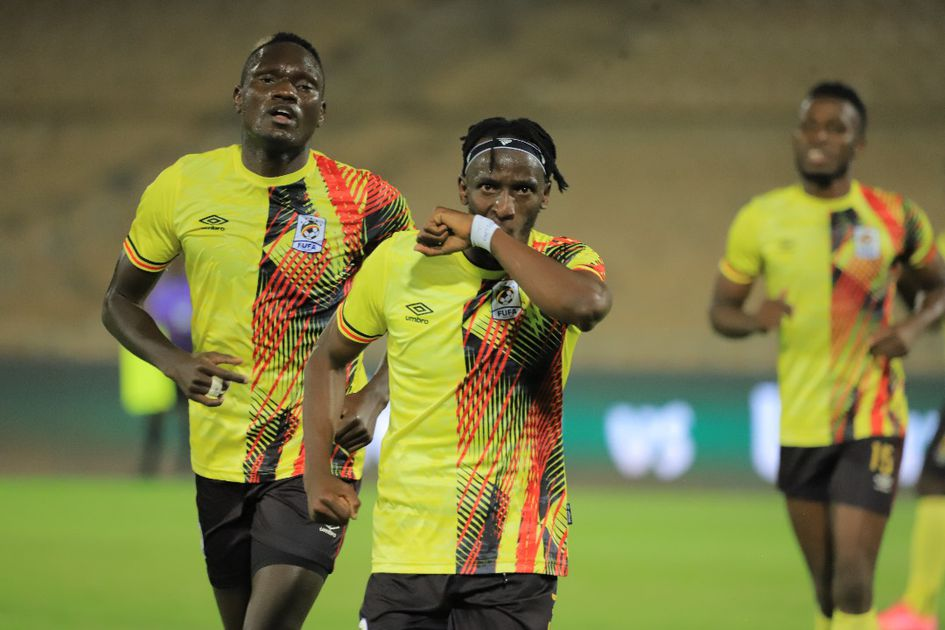
Uganda’s recent strides on the international stage—from football at AFCON to basketball in continental competitions—highlight the value of nurturing young talent. Universities provide that base, and AUUS leadership plays a pivotal role in aligning university-level talent with national goals.
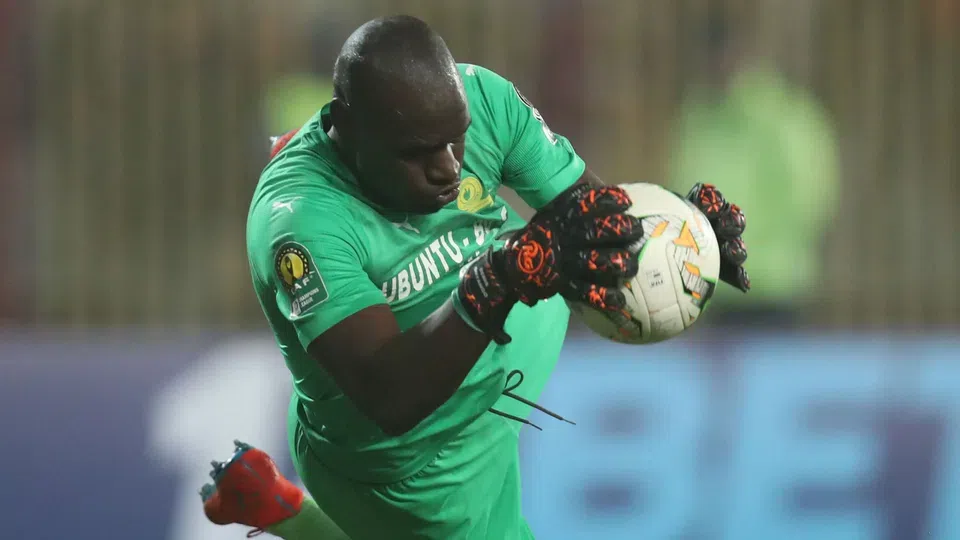
Imagine a scenario where the next Denis Onyango or Jimmy Enabu emerges directly through AUUS-backed programs. This shows why policies enacted at the elective assembly could have long-term consequences for the national sports ecosystem.
Check latest football events and results here

Challenges Ahead for the Incoming Leadership
1. Funding and Sponsorship
One of the biggest challenges for AUUS has been financial sustainability. Without strong partnerships and innovative funding strategies, many sports events remain underfunded. The new team must create collaborations with corporate brands, government bodies, and international institutions.
2. Equal Opportunities Across Disciplines
Football tends to dominate, leaving other sports in the shadows. There is pressure on incoming leaders to provide balanced attention. Promoting basketball, rugby, and athletics alongside table tennis, tennis, and handball would make AUUS truly representative of all sports.
Explore basketball competitions and opportunities
3. Digital Transformation
Modern sports require digital solutions—online ticketing, streaming university games, and adopting transparent voting systems. AUUS can set the pace by introducing technological innovations that bring university sports closer to fans.
4. International Collaboration
There is untapped potential in building ties with university sports federations abroad. Exchange programs, training camps, and scholarships would not only boost visibility but also enhance standards of competition.
5. Integrity and Accountability
University students have called for transparency in the way AUUS manages resources. Without accountability, trust erodes, and participation declines. The elections must signal a break from the past and a step toward stronger governance.
The Emotional Atmosphere Among Delegates
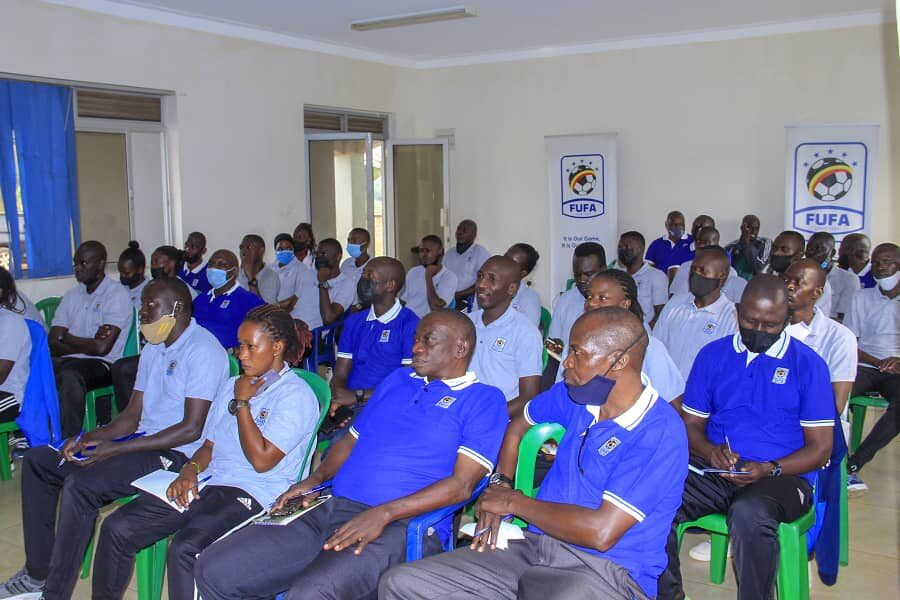
Delegates preparing to cast their votes admit to sleepless nights. Some universities back candidates with proven track records, while others support youthful aspirants who promise reforms. Tensions are rising as lobbying intensifies behind the scenes.
This emotional atmosphere is not unusual—it mirrors the passion Ugandans have for sports. But at the heart of it all is the desire for a system that works, a leadership that inspires, and policies that deliver results.
The Broader Impact on Student-Athletes
For student-athletes, these elections represent more than politics. It is about the assurance that their sacrifices, training, and commitment will pay off. Every decision, from tournament structures to bursaries, affects their sporting journeys.
Basketball players worry about whether AUUS will increase investments in indoor arenas. Footballers wonder if inter-university leagues will get wider visibility. Tennis and table tennis athletes hope for more tournaments beyond Kampala. Each of these concerns circles back to the people who will emerge victorious in the elections.
See current tennis updates and fixtures
Lessons From Previous Assemblies
Past AUUS assemblies have shown that elections can be both unifying and divisive. In some years, leaders emerged with overwhelming support and a clear agenda. In others, disputes dragged the process into controversy.
The challenge this time is to learn from those experiences. The sports fraternity expects professionalism, unity, and a sense of purpose. A divided AUUS risks slowing the progress made in the last decade.

What Stakeholders Want
- Universities: Greater inclusivity and recognition in all sports.
- Students: More transparency and opportunities for scholarships.
- National Sports Bodies: A reliable pipeline of young athletes ready for international competition.
- Corporate Partners: Professionalism and visibility in sports events to justify sponsorship.
Looking Ahead
The AUUS elective assembly is more than an event; it is a defining moment. Anxiety is natural, but it also reflects the passion Ugandans have for sports. Once the dust settles, the hope is for a leadership that will embrace reform, accountability, and inclusivity.
If the right choices are made, the future of university sports in Uganda will not only benefit students but also fuel the nation’s sporting ambitions.