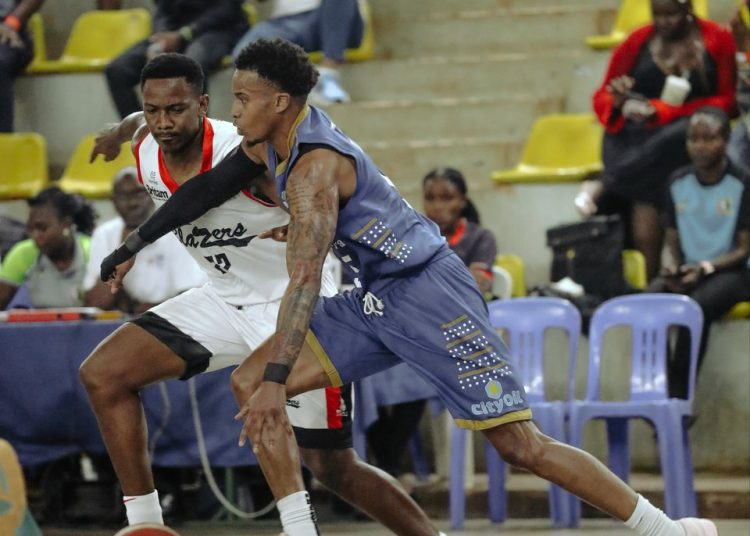
Uganda’s national flag flew proudly once again at the 6th Islamic Solidarity Games as the women’s table tennis doubles team delivered a brilliant display to secure bronze, marking one of the country’s most memorable achievements at this year’s competition.
In an event dominated by nations with long-standing traditions in the sport, Uganda’s heroic performance was far beyond a lucky run. It was a story of grit, belief, execution, and the unstoppable spirit of two determined athletes who refused to bow to pressure.
This bronze medal now stands as a symbol of Uganda’s growing competitiveness in less-spotlighted sports, and it showcases the incredible potential hidden within the women’s table tennis program.
A Medal Earned Through Discipline, Precision, and Sheer Fighting Spirit
The doubles format in table tennis is unforgiving every mistake is magnified, every stroke must be perfectly synchronized, and communication between teammates becomes as vital as the technical skill itself. Uganda’s duo mastered all three.
From the early rounds, they showed sharp reflexes, tactical awareness, and the courage to attack instead of merely defending. Their chemistry was visible in how they alternated smashes, executed coordinated returns, and adjusted strategies mid-rally.
They faced nations with deeper resources and larger player pools, yet their composure never broke. They played with a champion’s mindset and navigated the pressure of the knockout stages with calm maturity. Their semifinal battle against a top-ranked opponent was a masterclass in resilience falling short of the final but securing the bronze with honor.
For Ugandans who follow continental competitions through platforms like the Betsure Table Tennis page, this medal added a new layer of pride in a sport that is quickly gaining local attention.
Why This Bronze Matters More Than the Colour
Uganda has been steadily expanding its influence beyond mainstream sports such as football and athletics, and this bronze medal captures the true weight of that transformation. It is more than just a podium moment; it is a statement of progress, belief, and potential. The achievement proves that Uganda can now compete confidently in global-level racquet sports territories once dominated by nations with larger infrastructures and deeper traditions. It signals that the investment in table tennis, from grassroots development to national team preparation, is beginning to deliver visible results. This victory also becomes a powerful source of motivation for young girls across the country who are dreaming of stepping into sports. Seeing fellow Ugandan women stand proudly on an international podium plants the belief that excellence is within their reach, inspiring the next wave of female athletes to pick up a racket and pursue greatness. The bronze also elevates the visibility of the national team, bringing the attention of federations, sponsors, and fans to a sport that has long existed in the shadows. It shows that Uganda is no longer entering racquet sport competitions as outsiders or underdogs, but as genuine competitors capable of creating surprises. This medal marks the beginning of a new competitive identity for the nation—one that stretches beyond traditional strengths and embraces a broader sporting horizon. Ultimately, this bronze is not an ending but the start of a new era where Uganda’s table tennis dreams are no longer distant possibilities, but achievable realities.
Uganda’s Steady Rise in Table Tennis
The growth of Ugandan table tennis has been slow but deliberate. Over the last few years, the national team has focused on:
- Technical development
- Overseas training camps
- Youth academies
- Exposure to high-ranked opponents
- International coaching expertise
These building blocks have created a stronger foundation, allowing players to adapt quickly to international standards.
With this medal, the women’s doubles team has literally opened doors for national recognition and new opportunities.
A Generation of New Stars Emerging
Uganda’s success at the Games shines a spotlight on the women behind the medal. Their journey is one of discipline, consistency, and belief.
Their strengths included:
• Tactical patience
They waited for the right balls to attack.
• Lightning reflexes
Their returns neutralized even the strongest opponents.
• Mental resilience
They refused to collapse under pressure.
• Team chemistry
Their communication was crisp throughout every rally.
These qualities are not developed overnight they reflect years of preparation and the maturation of Uganda’s table tennis ecosystem.
How the Bronze Was Won: Tactical Breakdown
1. Dominance in Serve-Receive Play
Uganda’s strategic placement of short serves and wide angles disrupted opponents’ rhythm.
2. Smart Smash Selection
Instead of attacking every ball, they chose moments that offered high-percentage shots.
3. Effective Rotation Between Partners
They rotated fluidly, never getting in each other’s way.
4. Controlled Aggression
They kept their attacks measured avoiding unforced errors.
5. Calm Under Pressure
Especially in tight sets where a single point could swing momentum.
This tactical discipline is why they stood proudly on the podium.
Impact on Uganda’s Sporting Future
With this accomplishment, several positive ripple effects are expected:
1. Increased Support from Sporting Bodies
Success builds justification for more funding.
2. Greater Media Attention
Fans and journalists now have reason to follow table tennis stories.
3. Opportunities for Sponsorship
Brands love athletes who perform at major international events.
4. Expansion of School Competitions
Younger players will be drawn into the sport.
5. Growth of Women’s Sports
Every victory strengthens gender representation in Ugandan athletics.
Uganda’s sporting future looks more diverse and more exciting.
A Boost for Sports Fans and the Betting Community
As Ugandan fans continue to explore new sporting disciplines, online platforms have made it easier to engage with global and local events.
Through platforms like Betsure promotions and their broad sports coverage, more Ugandans are discovering the thrill of following smaller-market sports like table tennis.
This medal arrives at the perfect moment when fans are seeking fresh stories, unexpected victories, and new heroes.
Expectations Going Forward for the Women’s Team
Uganda’s women’s table tennis team now enters a new phase of preparation following their bronze medal success. With such a significant achievement under their belt, the expectations for next year’s continental championships will naturally rise. The team will no longer be viewed as dark horses but as genuine medal contenders, and this shift in perception brings both pressure and opportunity. Their training programs will likely intensify, with more emphasis on tactical refinement, physical conditioning, and mental resilience. Coaches will assess areas that need strengthening, ensuring the players arrive at the next competitions sharper, faster, and more confident. The bronze has set a new standard that the team must now aim to surpass.
Another crucial area of focus going forward will be expanding their match experience in Europe and Asia. These regions host some of the strongest table tennis nations in the world, and facing opponents from these environments exposes players to higher speed, strategic complexity, and diverse playing styles. Competition at that level forces rapid improvement every rally becomes a lesson, every match a chance to adjust patterns and build better instincts. More international friendlies, training camps, and participation in global tournaments will help the Ugandan team elevate their tactical understanding and adapt to the pace of world-class table tennis. If Uganda wants to consistently challenge for medals, regular exposure to top-tier competition is non-negotiable.
Strengthening the doubles chemistry between the two players is another priority that could transform bronze into silver or gold. Doubles table tennis thrives on timing, communication, trust, and seamless rotation. The more the pair plays together, the better they will anticipate each other’s positioning and preferred strokes. Fine-tuning when to switch, when to attack, and how to neutralize tricky opponents will be central to their growth. Understanding each other’s strengths and rhythms will help them maintain pressure throughout intense rallies and avoid unforced errors. With consistent practice and targeted coaching, their on-table harmony can evolve into a formidable partnership feared across the continent.
Lastly, Uganda must invest in building a wider talent pool to sustain long-term success in women’s table tennis. This begins with identifying promising young players across schools, districts, and community academies. More girls need access to quality training equipment, qualified coaches, and competitive opportunities from an early age. Nurturing a broader base of talent ensures that the national team does not rely heavily on a single pair but develops depth, competition, and continuity. A strong pipeline will also create healthy internal competition motivating current players to improve while empowering upcoming athletes to dream bigger. With strategic planning and consistent support, Uganda can shape a future where international medals become a regular achievement rather than a rare celebration.

How the National Federation Can Use This Momentum
1. Lobby for Better Training Facilities
Table tennis requires controlled indoor environments and high-quality tables.
2. Launch Regional Talent Searches
More girls across the country should be scouted.
3. Provide International Exposure
Friendly matches and invitational tournaments will sharpen skills.
4. Secure Sponsorship Partnerships
The bronze gives leverage in negotiations.
5. Strengthen Coaching Pathways
More coaches must be trained to international standards.
Real growth happens when systems—not just individuals—improve.
The Global Rise of Table Tennis and Uganda’s Place in It
Across Asia, Europe, and parts of Africa, table tennis is evolving rapidly. Nations with strong programs dominate due to:
- High competition frequency
- Scientific training
- Data-driven performance analysis
- Strong technical coaching
Uganda may not yet match the infrastructure of global giants, but this medal positions the country as an emerging competitor capable of causing upsets.
It sends a message that Uganda is no longer arriving at tournaments to participate Uganda is arriving to win.
A Symbolic Victory for Women in Sports
At a time when women’s representation in sports continues to rise globally, this achievement is incredibly meaningful.
Why?
- It amplifies female athletic visibility.
- It challenges stereotypes that women struggle in fast-paced technical sports.
- It inspires younger girls to pick up sports equipment and dream big.
- It proves that investment in women’s sports yields returns.
- It strengthens Uganda’s continental presence in women-centered competitions.
This medal belongs to Uganda, but its impact belongs to every young girl who dreams of standing on a podium one day.
The Role of Fans in This Journey
Fans may not play on the court, but they shape the emotional backbone of every sporting journey. Their support creates:
- Confidence
- Pressure to improve
- National morale
- Passion
- Identity
As the fan culture grows—both in stadiums and on online platforms like Betsure games—Uganda’s athletes feel the support with every international step they take.
Endnote: A Historic, Emotional, and Transformational Bronze for Uganda
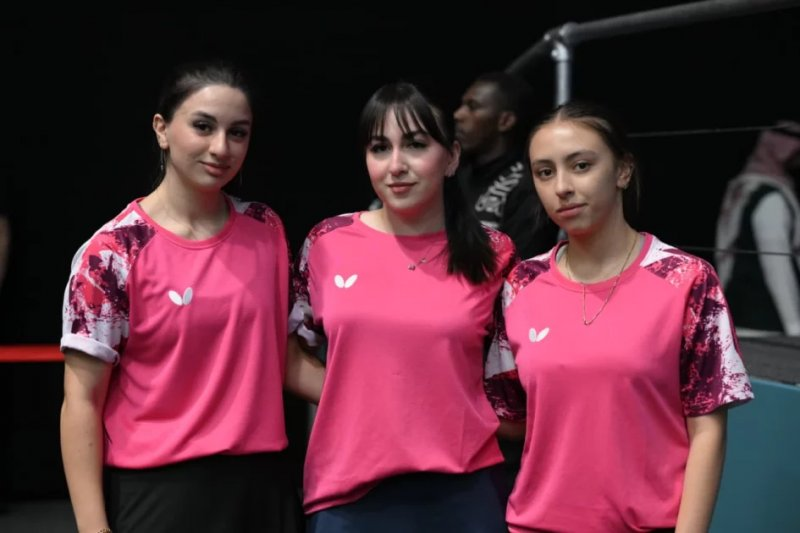
The bronze medal won by Uganda’s female table tennis doubles team is more than a highlight of the 6th Islamic Solidarity Games it is a turning point.
It represents:
- The power of belief
- The rewards of discipline
- The rise of women’s sports
- The growth of Uganda’s international competitiveness
- The birth of future champions
The journey is far from over.
This bronze is a spark of a beginning, not a conclusion.
Uganda has tasted success, and now the appetite has grown.
With stronger structures, better support, and the same unstoppable spirit, the next medals won’t be surprises they will be expectations.