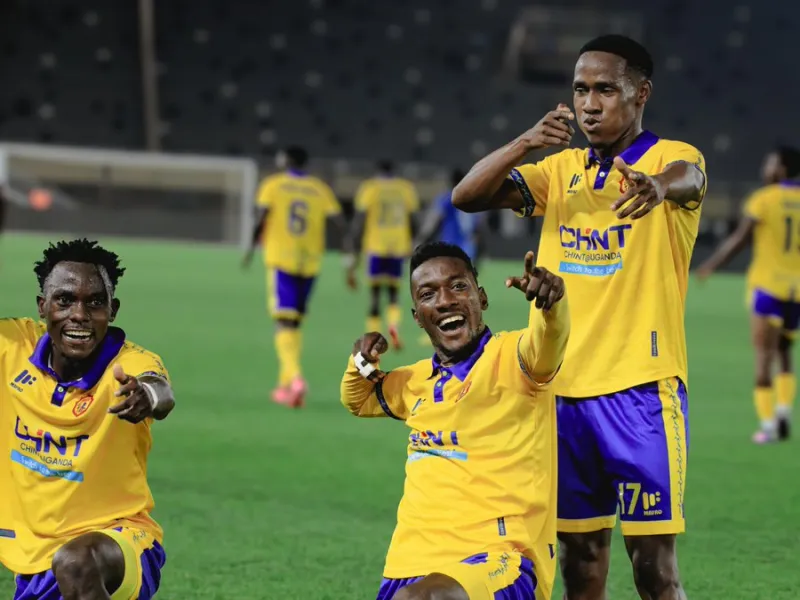
The FIFA U17 World Cup has officially kicked off in Qatar, and African representatives are already producing mixed outcomes in the opening phase. The tournament is one of the most important youth football platforms globally because it reveals the next generation of elite profiles, tactical adaptation, and future national-team material. Many current superstars in world football first appeared at the U17 level, which is why this window is widely monitored.
CAF representation is once again expected to be aggressive, competitive and unpredictable but the opening games have shown both strengths and weaknesses depending on the specific national side.
Africa’s presence remains critical in U17 talent evolution
African youth football has always been an important component of FIFA youth tournaments. Nations such as Nigeria, Ghana, Mali, and Senegal have historically reached deep knockout stages and have often shown higher tactical bravery than several European and Asian counterparts. The current tournament in Qatar is another test to confirm whether Africa maintains that competitive personality or whether new rising nations will demand space in the global picture.
Some African teams started with assertive pressing and confidence, while others struggled with early coordination, defensive spacing issues, or transition punishment from more structured opponents.
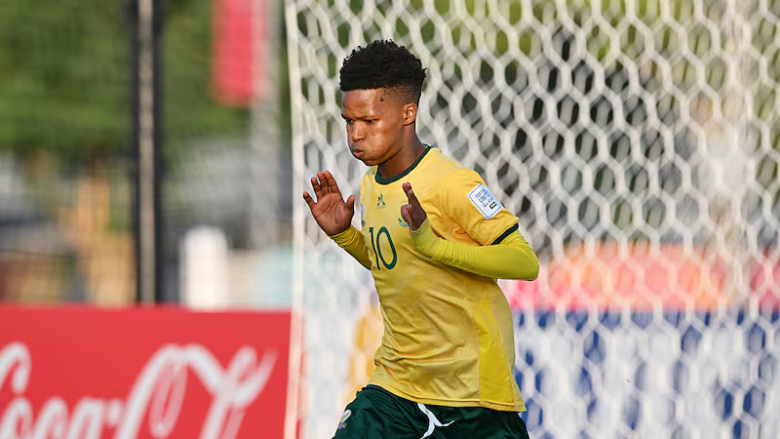
Team differences are visible already
In this U17 age category, margins are small and technical discipline decides outcomes quickly. One African side looked sharp in wide progression, while another side appeared slower in ball exit patterns. Some teams adapted earlier to Qatar’s pitch tempo, while others needed more minutes to find proper vertical passing channels.
This is totally normal in the first matchday of any Youth World Cup because these are teenagers adapting to the world stage for the first time.
African federations are, however increasingly exposed to international coaching methodology through partnerships, exchange programs, and elite youth academies. This gives more players better tactical literacy before they enter U17 competition.
Qatar’s hosting model provides a sharp competition environment
Qatar’s infrastructure, climate control management, and facility organisation allow high-tempo games without recovery chaos. That matters in U17 football because youth sides need rapid regeneration between fixtures.
Tournament hosting is not only about stadiums it is about detail:
- dressing room operational flow
- warm-up timing
- hydration management
- controlled pitch surfaces
These factors directly influence youth performance efficiency.
Digital audiences are following the results in real time
One major shift in this 2025 edition is the volume of digital tracking from Africa. Fans are following the tournament intensively from home including through digital football pages like bet sure where fixture updates, talking points and day-by-day summaries are part of the viewing culture.
Youth tournaments no longer feel isolated they are now mainstream interest.
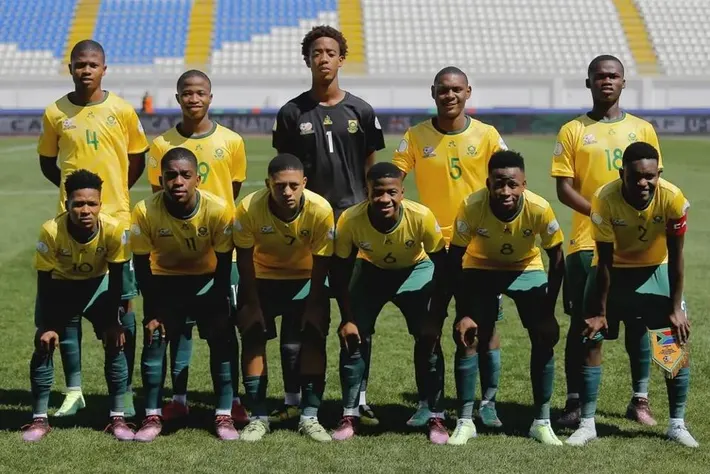
Tactical signs to note early
African teams that are progressing well have shown three clear behaviours:
- first-phase passing confidence
- ability to defend half-spaces efficiently
- smart counter-attack timing
Teams that are struggling early are showing:
- slow scanning before receiving
- poor exit under pressure
- low combination understanding in wide zones
This can change by Game 2 or Game 3 because U17 tournaments swing quickly once teenagers settle emotionally.
Mentality becomes decisive after Match Day 2
The first match is usually about adaptation.
But the second match decides survival.
African teams that manage second fixtures with sharper personalities will position themselves for knockout ambitions. If the mental reset is strong enough mixed fortunes from the opening games do NOT determine the final outcome of group standings.
Digital sports users will monitor African progress round by round
Many young football consumers will continue to cross-check match movements using spaces such as BetSure EPL Kivulu sports football because youth football outcomes affect narrative, scouting discussions, and continental representation pride.
Results pressure will now increase.
After the first round of fixtures, there is no room for emotional panic. African teams must show tactical calmness and effective ball progression. U17 competition is not senior football but structure is still non-negotiable.
Fans will also check upcoming fixtures through betsure promotions because knockout possibilities and round-by-round probability analysis usually become more meaningful immediately after Match Day One is completed.
EndWrap
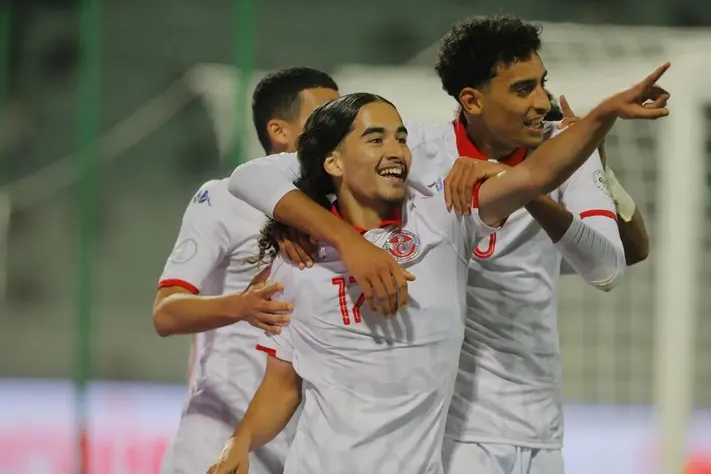
Africa’s first touch in Qatar has shown both strength and vulnerability. Some sides look ready to push deep into knockout zones, others need tactical adjustments in defensive shape and ball exit quality. The real judgment will come after the second round of group fixtures because that is where the separation between contenders and passengers becomes visible.
Mixed fortunes are normal but Africa remains one of the most dangerous youth football regions in the world.