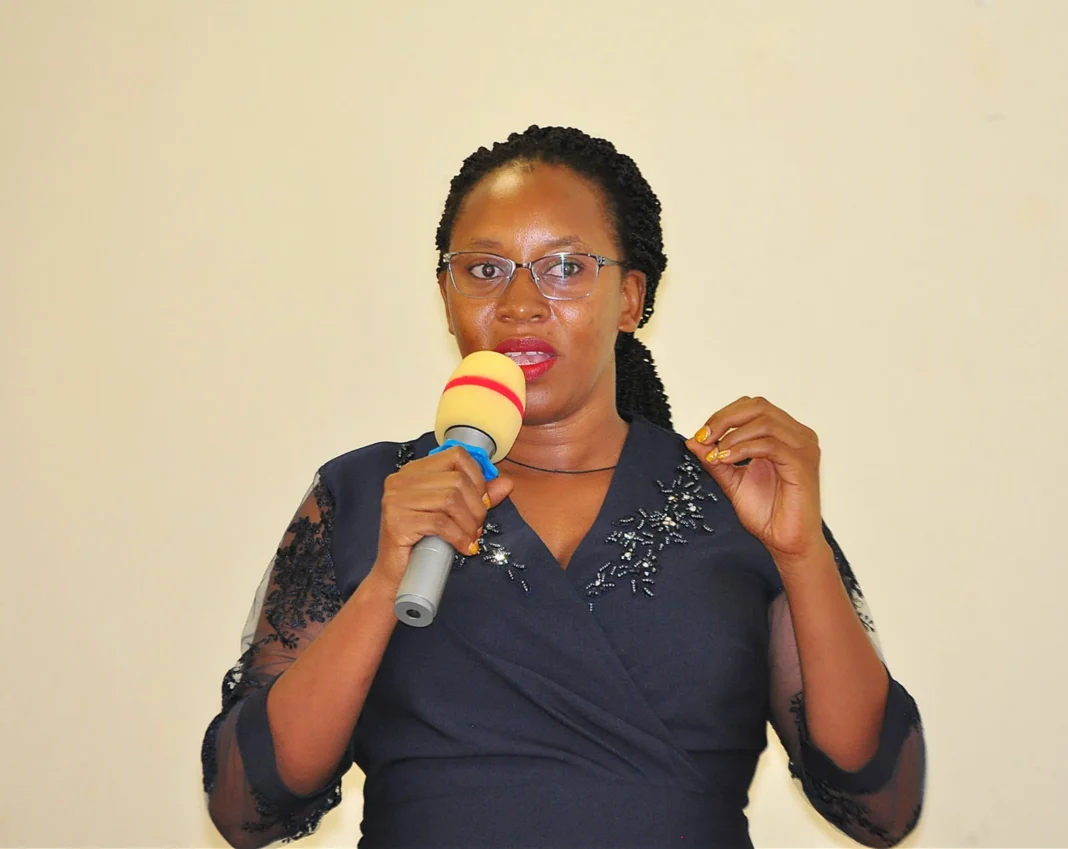
The Association of Uganda University Sports (AUUS) is entering a crucial phase as the presidency race heats up between two prominent candidates, Dr. Baluka and Wagoogo. With university sports being a central pillar for nurturing talent, promoting physical education, and fostering healthy competition, the leadership of AUUS holds significant importance for the future of sports at the tertiary level.
This election is more than just a leadership contest; it represents a choice between visions, strategies, and approaches that could shape the trajectory of university sports in Uganda for years to come.
The Candidates: Profiles and Backgrounds
Dr. Baluka
Dr. Baluka has been a longstanding advocate for university sports development. Known for his experience in sports administration and strategic planning, he emphasizes:
- Strengthening institutional frameworks for sports management.
- Expanding funding avenues for university competitions.
- Enhancing talent scouting and nurturing programs across campuses.
His campaign has focused on continuity with innovation, seeking to modernize AUUS structures while building on previous achievements.
Wagoogo
Wagoogo brings a fresh perspective to the presidency. His emphasis is on inclusivity, grassroots development, and student engagement. Key points in his agenda include:
- Promoting inter-university competitions that are widely accessible.
- Increasing participation in both traditional and emerging sports.
- Integrating technology for live streaming, analytics, and fan engagement.
Wagoogo’s approach appeals to younger administrators and student-athletes who are eager to see more dynamic programming and exposure for university sports.
Why This Election Matters
The presidency of AUUS is pivotal because it directly affects:
- Talent Development: Universities are breeding grounds for national-level athletes. Leadership that prioritizes scouting, coaching, and resources will shape the future of Uganda’s sports landscape.
- Competition Quality: Well-organized competitions ensure athletes have platforms to showcase and improve their skills.
- Sponsorship and Investment: Effective leadership attracts sponsors and partnerships that enhance both the financial and structural stability of university sports.
With both candidates presenting strong but distinct visions, the election becomes a reflection of what stakeholders value most: innovation, stability, inclusivity, or strategic growth.
Dr. Baluka’s Vision for AUUS
Dr. Baluka emphasizes strategic growth. His approach includes:
- Structured University Leagues: Ensuring consistency in competition formats, rules, and scheduling.
- Funding and Sponsorship: Partnering with corporate entities to ensure sustainable financial support for tournaments.
- Coaching Development: Introducing structured coaching programs and certifications for university sports coaches.
- Athlete Welfare: Focusing on academic-athletic balance, health support, and career development for athletes.
Supporters argue that Dr. Baluka’s experience brings stability, proven leadership, and strategic continuity—crucial for maintaining AUUS’s credibility and operations.
Wagoogo’s Approach: Modernization and Inclusion
Wagoogo’s campaign centers on modernizing university sports administration while increasing participation. Key pillars include:
- Grassroots Expansion: Extending sports programs to underrepresented universities and campuses.
- Technology Integration: Using digital platforms for live coverage, player statistics, and fan engagement.
- Youth Engagement: Encouraging student leadership in sports committees to promote representation.
- Diversified Competitions: Introducing new sports such as esports, table tennis, and indoor handball to attract wider student interest.
Wagoogo’s approach resonates with students and emerging leaders who want AUUS to be progressive, innovative, and responsive to contemporary trends in sports administration.
The Role of University Sports in Uganda
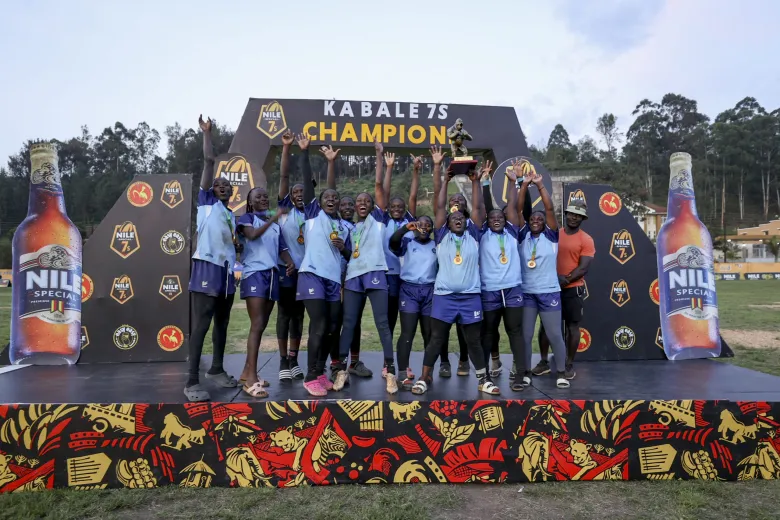
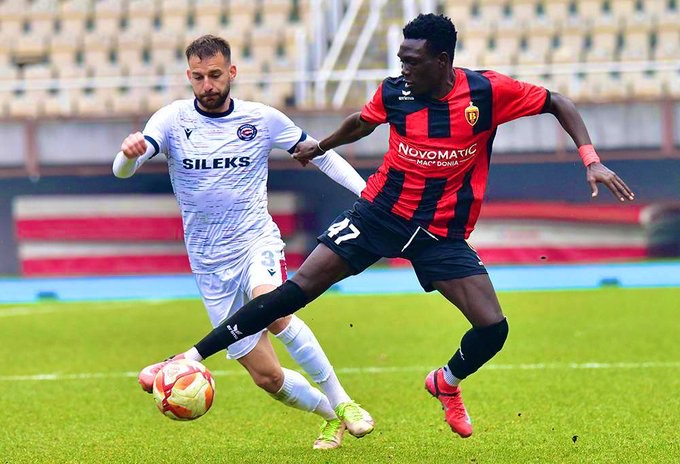
University sports are more than just competitions; they are platforms that foster:
- Leadership Skills: Students learn teamwork, discipline, and strategic thinking.
- Health and Fitness: Regular sports activities encourage physical wellness among young adults.
- National Pride: University athletes often progress to national teams, contributing to Uganda’s representation internationally.
- Community Building: Sports unite diverse student populations, fostering unity and collaboration.
Given this significance, the AUUS presidency holds power not just over administration but over the future direction of sports in Uganda’s universities.
The Campaign Dynamics
The race between Dr. Baluka and Wagoogo has already sparked vibrant debate among stakeholders. Key themes include:
- Experience vs. Innovation: Dr. Baluka’s experience versus Wagoogo’s fresh ideas.
- Funding Strategies: How best to attract sponsorships and ensure financial sustainability.
- Student Engagement: Balancing administrative control with student participation in decision-making.
- Sports Diversification: Expanding beyond traditional sports while maintaining competitive standards.
These themes highlight the complexity of leading AUUS and the impact of this election on university sports at large.
AUUS and Stakeholder Expectations
Stakeholders—including university administrators, student-athletes, coaches, and sponsors—have high expectations for the next president:
- Professionalism in Administration: Transparent processes, effective planning, and accountability.
- Improved Competitions: Higher-quality events that attract fans, media, and sponsors.
- Athlete Support: Holistic programs that balance academics, sports, and personal development.
- Visibility: Leveraging media and digital platforms to promote university sports nationally and internationally.
Both Dr. Baluka and Wagoogo understand these expectations and are crafting policies aimed at addressing them.
The election also intersects with broader opportunities in sports development:
- Cross-Sport Engagement: Platforms like Betsure provide fans and students access to multiple sports, from football to basketball, promoting awareness and investment.
- Digital Promotion: Increased live coverage of university competitions can attract sponsors and fans alike.
- Partnerships with Professional Leagues: Collaboration with national leagues ensures that top university athletes transition smoothly into professional arenas.
By leveraging these clusters, the AUUS president can elevate university sports beyond campus walls into a national spectacle.
Leadership and Strategy
The AUUS presidency requires building strong pillar structures that include:
- Governance: Clear policies, rules, and regulations.
- Finance: Sustainable sponsorships, budgeting, and resource allocation.
- Athlete Development: Programs for coaching, mentorship, and health.
- Event Management: Organizing regular tournaments, workshops, and championships.
Both candidates have highlighted these pillars in their manifestos, reflecting a deep understanding of what AUUS leadership entails.
Programs and Competitions
The next AUUS president will oversee programs that function as the backbone of university sports:
- Inter-University Leagues: Structured competitions for football, basketball, volleyball, rugby, and more.
- Talent Academies: Training hubs for top performers in various sports.
- Workshops and Seminars: Educating student leaders, coaches, and administrators.
- Digital Platforms: Streaming events, tracking statistics, and promoting competitions online.
Engage, Support, Participate
Engagement is central to AUUS’s mission. The next president must:
- Encourage students to participate in sports actively.
- Promote fan engagement, both in-person and through digital platforms.
- Involve sponsors and stakeholders to invest in university sports development.
- Provide pathways for talented athletes to transition into professional or national teams.
Platforms like Betsure Football allow fans to follow competitions, place predictions, and stay connected with university sports outcomes, adding another layer of engagement for stakeholders.
Collaboration and Expansion
Collaboration with external organizations, professional leagues, and sponsors is key to AUUS’s future. The president must build clusters that include:
- Partnerships with national sports federations.
- Connections with media houses for wider coverage.
- Engagement with corporate sponsors for financial sustainability.
- Links with international student sports bodies to raise Uganda’s profile globally.
These clusters expand opportunities for athletes, increase visibility, and elevate the standard of university sports.
The AUUS presidency election is pivotal. Students, university administrators, and stakeholders must stay informed, support the candidates whose vision aligns with long-term growth, and engage with the broader sports ecosystem.
👉 Follow football and other university-level sports: Betsure
👉 Explore sports across multiple disciplines: Betsure Sports
👉 Participate in online engagement and jackpots: Betsure Games
Every vote, opinion, and discussion contributes to shaping the future of university sports in Uganda.
Final Thoughts
The race between Dr. Baluka and Wagoogo is more than a contest of personalities; it is a debate about direction, strategy, and vision for university sports in Uganda. Both candidates bring strengths that could shape AUUS for the better, and the ultimate choice will determine the pace, quality, and inclusivity of sports at the tertiary level.
As the election approaches, the spotlight is on both leaders to present actionable plans, and on stakeholders to participate actively. The future of Uganda’s university sports ecosystem depends on it.