Brazil’s Ambition and Football Legacy
Brazil has always been at the heart of world football. From Pelé’s artistry to Neymar’s dazzling skills, the country has produced icons who shaped the game. With five World Cup titles and legendary clubs like Flamengo, Corinthians, and São Paulo, football is not just a sport here — it’s a way of life. Now Brazil is taking a bold step by seeking to host the FIFA Club World Cup in 2029, a move that would once again put the country on football’s biggest stage.
The Club World Cup is set to expand, bringing together 32 of the world’s best teams. Brazil believes it is the perfect nation to host this new era of the tournament, thanks to its history, culture, and infrastructure.
Why Brazil Wants to Host in 2029
Hosting the FIFA Club World Cup is about more than just games on the pitch. For Brazil, it is about:
- Celebrating its football culture: Fans in Brazil create an unmatched atmosphere. Every match feels like a carnival, with music, chants, and colors filling the stadiums.
- Boosting the economy and tourism: Major tournaments bring millions of visitors. Brazil’s beaches, cities, and cultural landmarks will attract fans from around the globe.
- Inspiring the next generation: Watching elite clubs like Real Madrid, Manchester City, or Flamengo compete at home would motivate young Brazilian footballers.
- Reclaiming the spotlight: In a competitive world where nations like the USA and Saudi Arabia are investing heavily in football, Brazil wants to remind the world that it remains football’s beating heart.

Stadiums Ready for the Challenge
Brazil already has world-class stadiums, many renovated for the 2014 FIFA World Cup. The Maracanã in Rio de Janeiro, the Arena Corinthians in São Paulo, and others across Salvador and Porto Alegre are more than capable of hosting the expanded format. These venues combine history and modern design, offering fans an unforgettable matchday experience.
The Broader Sports World
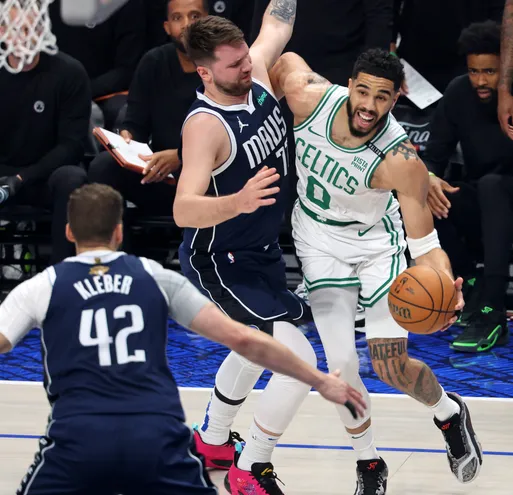
While football will always be king in Brazil, the country’s passion for other sports has grown too. Fans not only follow international football competitions but also enjoy virtual football, basketball, tennis, table tennis, handball, ice hockey, rugby, baseball, and even American football.
This passion for sports ensures that fans from all over the world will feel at home in Brazil, no matter which game they follow.
The Economic and Tourism Impact
Brazil expects massive economic benefits if it secures the 2029 Club World Cup. The 2014 World Cup generated billions in revenue, and 2029 could surpass that with its expanded format. Tourism will flourish, with fans exploring Rio’s beaches, Amazon eco-adventures, Salvador’s colonial charm, and São Paulo’s vibrant city life.
The hospitality sector, from hotels to restaurants, will thrive, while jobs will be created in construction, security, and event management. Beyond finances, Brazil also wants to show that it can host events sustainably, with benefits extending to local communities.

Fan Engagement and Entertainment
The modern football fan wants more than just 90 minutes in a stadium. That’s why platforms like Betsure have become vital, offering fans new ways to connect with the sport. Whether it’s exploring match coupons, enjoying live games, or even trying out casino options, fans now have 24/7 access to football excitement.
This level of engagement ensures that the Club World Cup in Brazil would be more than a tournament — it would be a full festival of sports and entertainment.
Fan Culture: Brazil’s Biggest Strength
What makes Brazil unique is its people. Fans bring drums, songs, and joy into the stadiums, creating an atmosphere no other country can match. For visitors, experiencing a football game in Brazil is as memorable as visiting Carnival.
This is why FIFA knows that if Brazil hosts the Club World Cup, the atmosphere will be unlike anywhere else in the world.
Challenges Ahead
Of course, challenges remain. Brazil will need to ensure strong security, maintain financial discipline, and compete against well-funded bids from countries like the USA and Saudi Arabia. But its advantage lies in authenticity. Brazil doesn’t need to “buy” football culture — it lives and breathes it every day.

Endnote: Why Brazil Deserves 2029
Brazil’s bid for the FIFA Club World Cup in 2029 is more than a project — it’s a love letter to football. The country has the infrastructure, the culture, and above all, the passion to deliver a tournament that fans will never forget.
From the roar of the Maracanã to the beaches of Rio, from the modern arenas of São Paulo to the festivals of Salvador, Brazil offers a complete football experience. And with fans around the world connecting through football, exploring live gaming, and celebrating every moment, the 2029 Club World Cup could become the greatest tournament FIFA has ever staged.
Brazil is ready. The world is waiting.