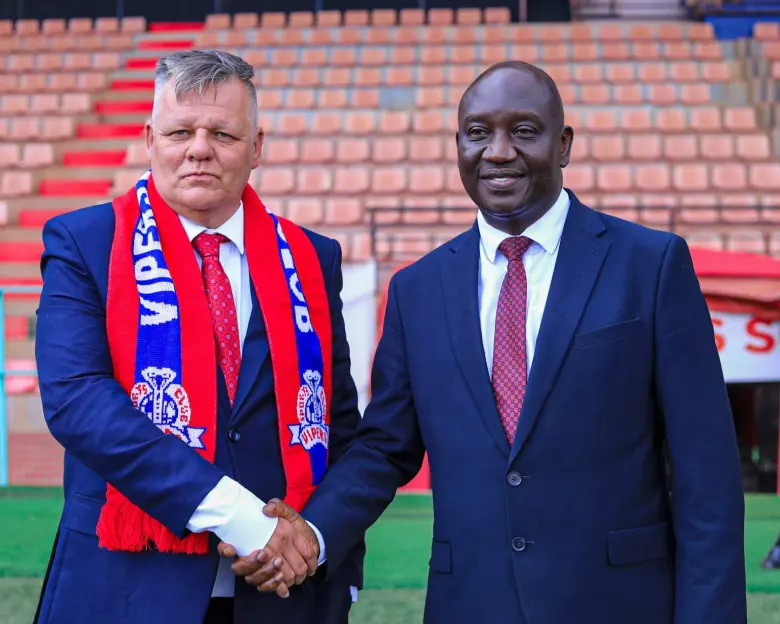
The Vipers SC, one of Uganda’s most dominant football clubs, has taken a bold and defiant step by boycotting the newly proposed league format. This decision has shaken the football landscape, stirring debate among fans, stakeholders, and governing bodies. The boycott raises questions about fairness, governance, and the future of Ugandan football.
The Roots of the Boycott
The Uganda Premier League’s governing council recently unveiled a new league format that aimed to restructure fixtures, revenue sharing, and playoff systems. While some clubs welcomed the reforms, others, including Vipers, raised strong objections.
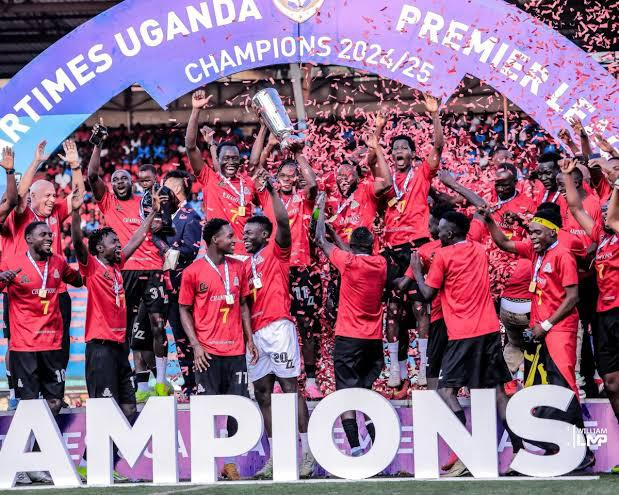
Key Concerns Raised by Vipers:
- Unfair Competition Design: The new format was perceived as favoring certain teams while diminishing competition balance.
- Commercial Rights Issues: Vipers objected to broadcasting and sponsorship revenue distribution models that seemed disproportionate.
- Player Welfare: Increased fixture congestion under the new system was seen as a direct risk to player health and performance.
- Consultation Gaps: Vipers argue that the changes were introduced without sufficient consultation with stakeholders.
This firm stance by Vipers reflects not only their desire to protect their club’s interests but also to advocate for fairness across the Ugandan football ecosystem.
👉 Stay updated with all match stories and developments via football news.
The Impact on the Pitch and Betting
The boycott has wide-reaching implications, not just for the league but also for fans and bettors.
On the Pitch:
- Without Vipers, the competitiveness of the league is in jeopardy. A reduction in marquee clashes may diminish excitement and attendance.
- Player morale across other clubs is affected as the uncertainty surrounding the format continues.
- Sponsors and broadcasters may reconsider their investments if one of Uganda’s top clubs remains absent.
On Betting Markets:
- League Bets: Odds for league outcomes will be skewed significantly without Vipers’ participation.
- Match Bets: Fewer fixtures involving top-tier rivalries means bettors will need to re-strategize.
- Live Betting: Punters who rely on high-intensity games involving Vipers may shift focus to other competitions.
Explore real-time odds, fixtures, and outcomes directly on football markets.
How Fans Can Stay Engaged
While the boycott poses challenges, fans and bettors still have numerous ways to stay engaged in the beautiful game:
- Explore Jackpots: Multi-leg jackpots remain a thrilling way to enjoy betting across global football fixtures. Try your hand at jackpots.
- Stay on Promotions: Betsure continues to reward players with bonuses and promotional offers, ensuring consistent excitement. Check promotions.
- Use Sport Coupons: Fans can conveniently place quick bets on upcoming fixtures via sport coupons.
Wider Impact on Ugandan Football
The Vipers’ boycott is more than a club issue—it is a reflection of deeper structural challenges in Ugandan football.
Implications for the League:
- Credibility Questioned: Without the presence of a top club, the legitimacy of results and eventual champions comes into question.
- Fans Divided: Loyal supporters are torn between their love for the game and solidarity with their club.
- Governance Debate: The boycott has sparked wider conversations on football governance in Uganda, urging more transparency and inclusion.
Lessons for Stakeholders:
- Dialogue Is Key: For reforms to succeed, governing bodies must prioritize communication and inclusiveness.
- Balance of Power: Strong clubs like Vipers have the ability to shape league dynamics, making it essential for leadership to bridge gaps.
- Fan-Centric Focus: Ultimately, football thrives when fans are engaged; reforms must protect that interest.
For updates on Ugandan and global football, fans can explore ongoing matches and news via football highlights.
Final Word
The Vipers’ boycott is a bold move that has placed Ugandan football at a crossroads. While their defiance underscores the need for fairness, it also risks destabilizing the league. The coming weeks will determine whether dialogue can bring compromise or whether the standoff reshapes the future of the sport in Uganda.
What remains clear is that fans, players, and stakeholders all share the same dream: a fair, competitive, and thriving league that elevates Ugandan football to greater heights.